A brighter smile can make you feel more comfortable when you smile, speak, or take photos. If your teeth have become darker or stained over time, teeth whitening in Burlington may be an option worth considering. However, whitening does not work the same way for every type of stain or every dental condition. Your teeth and gums should be healthy enough for treatment, and the cause of the discolouration can affect the results. Knowing the signs that may make you a suitable candidate can help you decide whether whitening is worth exploring.
A dentist can also check your oral health and help determine whether whitening is appropriate for your smile.
What Signs Suggest You May Be a Good Candidate?
Several factors may indicate that teeth whitening could be suitable for you. You may be a good candidate if:
1. Your Teeth Have Surface Stains
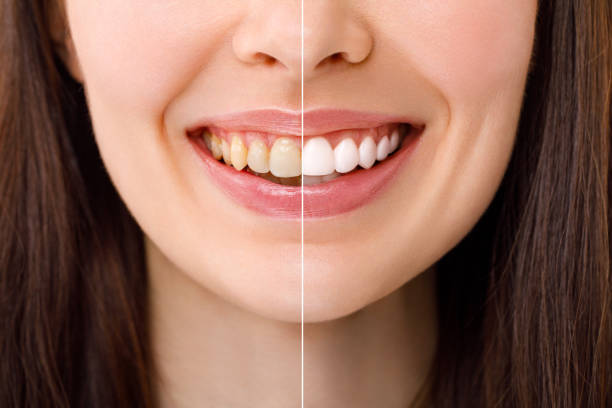
Coffee, tea, cola, red wine, and other dark-coloured foods and drinks can leave stains on the outer surface of your teeth. Whitening may help reduce some of these stains.
2. Your Teeth Have Become Yellow Over Time
Teeth can naturally become more yellow as you get older. If your teeth have changed colour gradually, whitening may help make them look brighter.
3. You Have Healthy Gums
Healthy gums are important before starting whitening treatment. If your gums are sore, swollen, or bleeding often, these concerns may need attention first.
4. You Have Healthy Teeth
Whitening is generally better suited to teeth that are free from untreated decay or other problems. A dentist near you can check for concerns before treatment begins.
5. You Are Unhappy With Tooth Discolouration
If darker or stained teeth affect how you feel about your smile, professional whitening may provide a way to improve their appearance without changing the shape of your teeth.
6. Your Stains Are Linked to Food or Drinks
Regular exposure to coffee, tea, and other staining foods can affect tooth colour. Surface stains caused by these habits may respond well to whitening.
7. You Do Not Have Untreated Dental Problems
Cavities, cracked teeth, or other dental concerns may need to be treated before whitening. Addressing these problems first can help make treatment more suitable and comfortable.
8. You Understand What Whitening Can and Cannot Do
Whitening can make your natural teeth look brighter, but it will not change the colour of fillings, crowns, veneers, or other dental work. Knowing this can help you have clear expectations about the results.
9. You Want a Non-Invasive Smile Change
If you want to improve tooth colour without changing the shape or position of your teeth, teeth whitening near you may be an option to consider.
10. You Are Ready to Follow Whitening Instructions
Following the recommended treatment instructions is important. Using whitening products incorrectly or more often than advised may increase the chance of tooth sensitivity or gum irritation.
11. Your Teeth Have Not Become Dark From a Deeper Cause
Some types of discolouration are deeper within the tooth and may not respond as well to regular whitening. Finding the reason for the colour change can help identify the most suitable approach.
12. You Have Realistic Expectations
Whitening can make your natural teeth look lighter, but the amount of change can be different for each person. Your starting tooth colour and the type of stains you have can affect the results.
What Can Affect Your Whitening Results?
The cause of tooth discolouration is one of the main factors that can affect how well whitening works. Common causes include:
- Coffee, tea, and other dark drinks
- Certain foods
- Tobacco use
- Natural changes that happen with age
- Poor removal of plaque and stains
- Some medicines or dental conditions
A dentist in Burlington can help identify whether your stains are likely to respond to whitening or whether another approach may be more suitable.
What Should You Know Before Choosing Whitening?
Before choosing treatment, consider:
- What caused the staining
- Whether your teeth and gums are healthy
- Whether you have fillings, crowns, or veneers
- How much colour change you expect
- Whether you have experienced tooth sensitivity before
For suitable cases, teeth whitening near you can be a simple way to improve the appearance of natural tooth colour.
Is Whitening Right for Your Smile?
A brighter smile starts with understanding why your teeth have changed colour and whether whitening matches your dental needs. If your teeth are healthy and your stains are suitable for whitening, treatment may help improve their appearance.
Book an appointment with ToothVue Dental to have your smile assessed and find out whether teeth whitening is a suitable choice for you.
FAQs
How do I know if teeth whitening is right for me?
A dental assessment can help determine whether your teeth and gums are healthy enough for whitening. The type and cause of your stains also affect whether you are likely to benefit.
Can everyone get their teeth whitened?
No. Whitening may not be suitable when untreated decay, gum problems, severe sensitivity, or certain types of discolouration are present. An assessment can help determine the safest option.
What causes teeth to become stained or discoloured?
Common causes include coffee, tea, tobacco, certain foods, ageing, and some medicines. Some stains are on the tooth surface, while others may develop deeper inside the tooth.
How long does teeth whitening take to show results?
The timing depends on the whitening method and the starting colour of your teeth. Some treatments can show a change soon after treatment, while others may take longer.