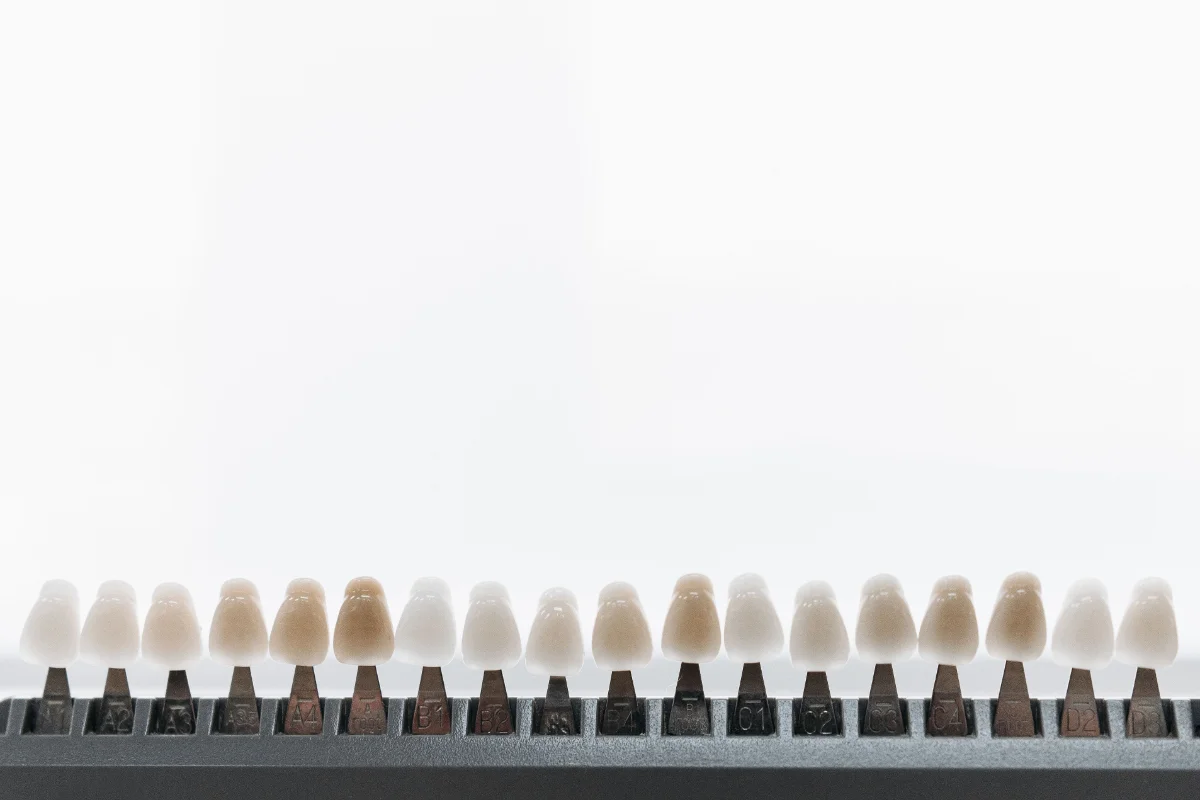
A chipped tooth can affect appearance and comfort, but it does not always require an extensive restoration. Dental veneers in Burlington may be considered when a front tooth needs a broader change in colour or contour, while composite bonding can often repair a small, localized chip.
The right option depends on the size and location of the damage, the amount of healthy enamel remaining, and how the teeth meet when you bite. An examination with a dentist in Burlington can also identify cracks or decay that may change the plan. Understanding the differences helps you weigh appearance, durability, preparation, and long-term care and function.
What Is the Difference Between Bonding and a Veneer?
Direct composite bonding uses a tooth-coloured resin that is placed onto the affected area, shaped to match the tooth, and hardened.
The dentist can often complete this type of repair directly on the tooth. It is commonly considered for a small chip, a worn edge, or a minor shape concern when enough sound tooth structure remains.
A veneer is a thin restoration bonded to the visible front surface of a tooth. It can change more than one feature, such as colour, contour, or minor spacing. Porcelain veneers are made outside the mouth and fitted to the prepared tooth.
Composite veneers use resin, while some no-preparation designs may require less enamel removal in selected cases. These are not the same as a small, localized bonding repair.
Which Option Suits the Size and Position of the Chip?
The location of the damage matters. A shallow chip on the edge of a front tooth may be suitable for direct bonding. A larger chip affecting the visible surface may prompt a discussion about a veneer or another restoration.
Back teeth face stronger chewing forces, so a cosmetic covering may not provide the support a damaged tooth needs. The dentist also needs to check whether the chip is isolated or part of a larger problem. A crack, decay, an old filling, or a change in the bite can affect the treatment plan.
If the tooth has lost substantial structure, a crown or another protective restoration may be more appropriate than either bonding or a veneer.
Appearance, Staining, and Repair
Both materials can be matched to the surrounding teeth, although the final appearance depends on the material, shade selection, tooth condition, and placement.
Porcelain tends to resist surface staining better than composite resin. Composite may be easier to modify or repair directly if a small area chips, but it can become stained or lose polish over time.
A veneer can create a more extensive change in shape or colour. That can be helpful when several visible features need to be addressed together. However, it may be unnecessary for a single small chip.
The most conservative option is not always the one with the least material cost; it is the option that meets the clinical need while preserving healthy tooth structure.
Durability and Day-to-Day Care
Neither bonding nor veneers should be given a guaranteed lifespan. Their performance depends on the size of the restoration, bite forces, oral habits, material, and maintenance. Biting fingernails, chewing ice, opening packaging with your teeth, or grinding can place extra stress on either repair.
To protect a restored tooth:
- Brush twice daily with a soft-bristled toothbrush and fluoride toothpaste.
- Clean between your teeth every day.
- Avoid using front teeth to bite very hard objects.
- Wear a recommended night guard if grinding is contributing to damage.
- Attend examinations so a developing crack or worn edge can be assessed.
These habits support the restoration and the surrounding teeth. They do not make a repair immune to wear or damage.
What Should You Consider Before Choosing Veneers?
A consultation about dental veneers near you should cover how much enamel may need to be prepared, whether bonding could achieve the same result, how the restoration may respond to staining, and what maintenance it will require. The plan should preserve healthy tooth structure wherever possible.
When Should a Chipped Tooth Be Assessed?
A dentist near you can check whether a chip is limited to enamel or extends into deeper tooth structure. Prompt assessment is important when pain, a sharp edge, swelling, or a large break is present. A clear diagnosis helps determine whether a conservative repair or added protection is needed.
For a loose fragment, keep it safe and contact a dental professional for advice rather than trying to attach it yourself. Avoid biting on the damaged tooth until it has been checked.
Choosing the Right Treatment for Your Oral Health
The best repair should improve the tooth’s appearance without removing more healthy structure than necessary. An examination helps distinguish a small bonded repair from a restoration that offers broader coverage.
Book a consultation with ToothVue Dental to have the chipped tooth assessed and discuss suitable restorative options. A thoughtful plan can help restore a natural appearance while supporting comfortable function.
FAQs
What is the difference between veneers and bonding?
Bonding uses tooth-coloured composite resin to repair or reshape a smaller area directly on the tooth. A veneer is a thin restoration bonded to the front surface and can change more of the tooth’s visible shape or colour. The suitable option depends on tooth condition and goals.
Which is better for a chipped tooth, veneers or bonding?
Bonding may suit a small, localized chip when enough healthy tooth structure remains. A veneer may be considered when the visible surface requires a more extensive cosmetic change. A larger fracture, crack, or weakened tooth may require a crown or another protective restoration instead.
How long do veneers and bonding last?
Neither treatment has a guaranteed lifespan. Porcelain veneers often last longer than composite bonding, but durability depends on the material, bite, oral habits, and maintenance. Both can chip or need repair. Regular examinations and avoiding hard biting habits help protect the restoration.
Is bonding or veneer treatment reversible?
Composite bonding usually requires little or no removal of natural enamel and may be repairable or removable in selected cases. Many veneers require enamel preparation, which is irreversible. The extent of preparation varies, so the dentist should explain what will change before treatment begins.