Losing a tooth changes more than your smile. It affects how you eat and how you speak and quietly chips away at your confidence every single day. For many people, it also affects how they feel about themselves in social situations at work, at family dinners, and in photographs.
Modern dental implants in Burlington offer a solution that goes far beyond filling a gap. They restore function, preserve your jaw, and give you back something that tooth loss quietly takes away your quality of life.
This guide covers every key benefit in plain, easy-to-understand language so you can make an informed decision about your smile.
If you are considering dental implants near you, understanding what they offer is the first step toward knowing whether they are the right choice for you.
A trusted dentist in Burlington will assess your bone health, gum condition, and overall oral health before recommending implants ensuring the treatment is right for your specific situation.
What Makes Dental Implants Different From Other Options?
Before getting into the benefits, it helps to understand what a dental implant actually is.
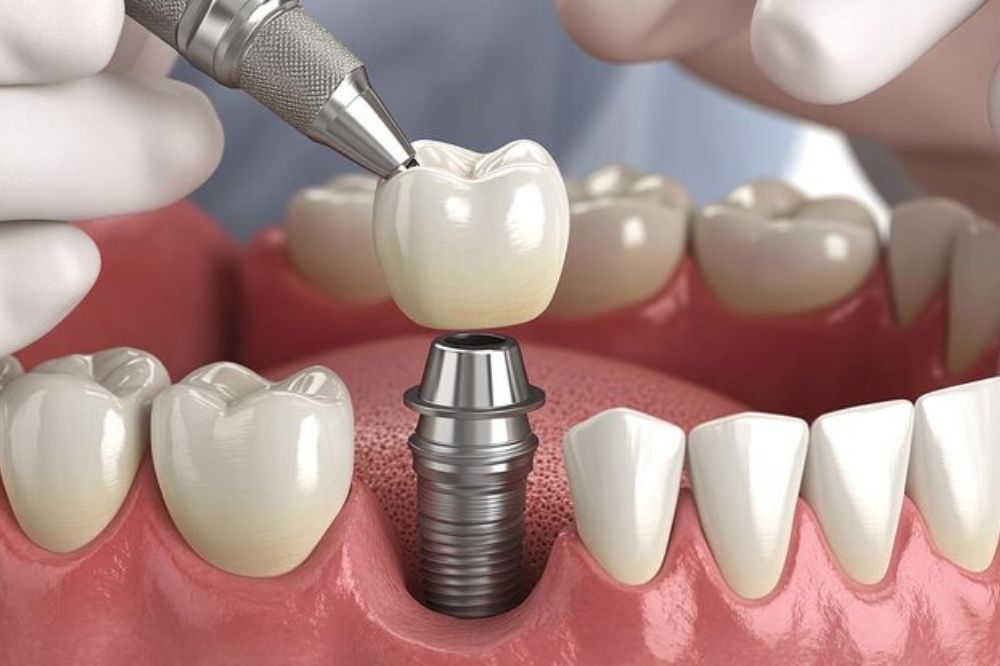
A dental implant is a small titanium post placed directly into the jawbone. Over time usually three to six months the bone grows around it and fuses with it. This process is called osseointegration.
Once the implant is fully integrated, a custom crown is placed on top. The result is a replacement tooth that looks, feels, and functions just like the real thing.
This is what sets implants apart from dentures and bridges. A denture sits on top of the gum. A bridge relies on neighbouring teeth for support. An implant stands entirely on its own anchored in the bone just like a natural tooth root.
The Life-Changing Benefits of Dental Implants
They Look and Feel Completely Natural
This is the benefit most patients mention first and for good reason.
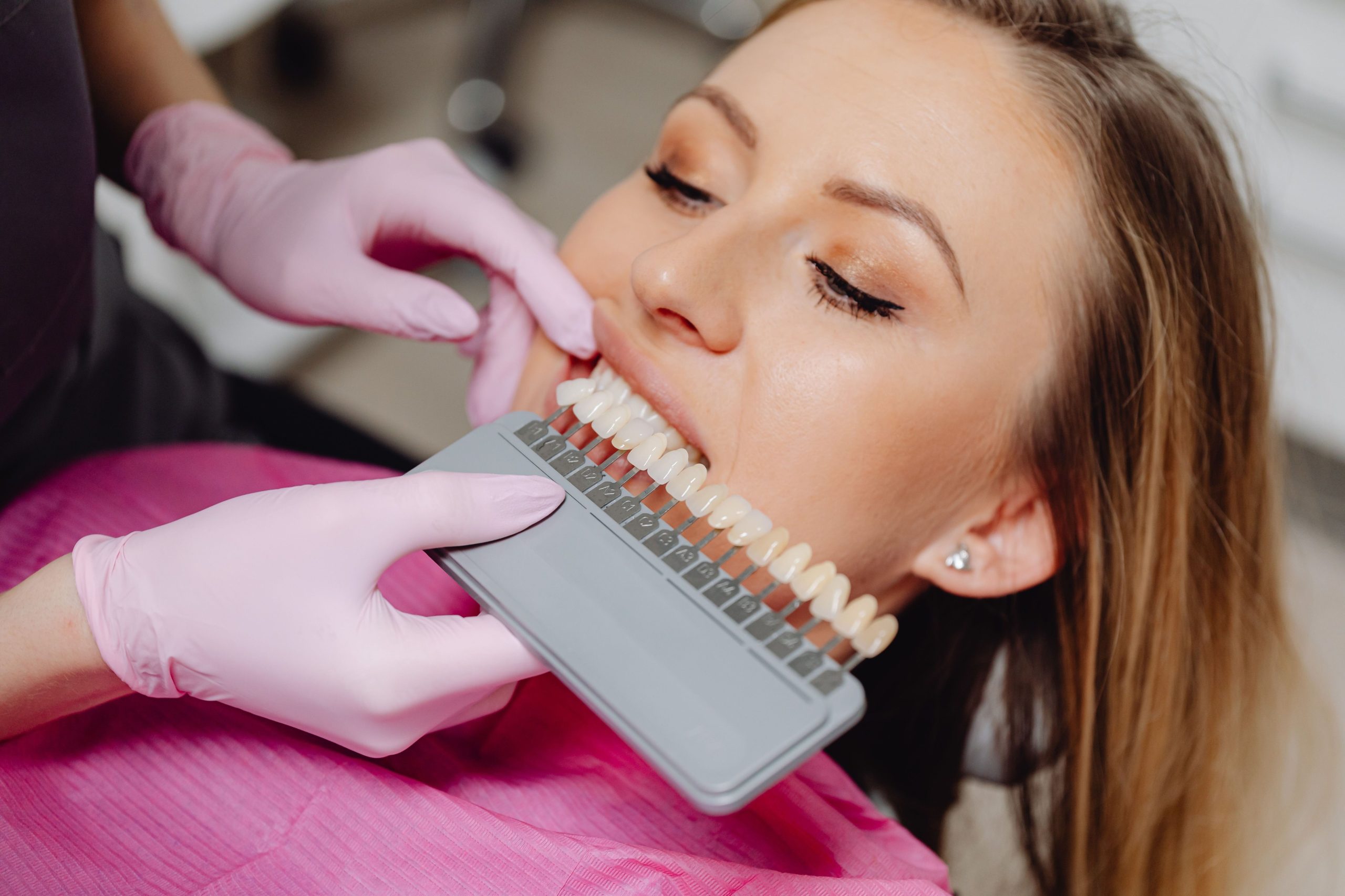
Implant crowns are custom-designed to match the shape, size, and colour of your surrounding teeth. Nobody looking at your smile will be able to tell the difference. And because the implant is anchored in the bone, it does not shift, click, or feel loose when you talk or eat.
Most patients say that within a few weeks, they completely forget the implant is not their original tooth.
They Restore Your Full Ability to Eat
One of the most immediate and practical dental implants benefits is the return of full chewing function.
When a tooth is missing, people naturally avoid using that side of the mouth. They give up favourite foods steak, apples, crusty bread—because chewing is uncomfortable or difficult.
Implants restore full bite strength. Because the post is anchored in the jawbone, it handles chewing pressure the same way a natural tooth root does. You can eat what you want, comfortably, without a second thought.
They Are a Permanent Tooth Replacement Solution
Dentures need to be removed daily. Bridges typically need replacing after 10 to 15 years. Implants are designed to last a lifetime with the right care.
Permanent tooth replacement with implants means no nightly removal, no adhesives, and no recurring replacement costs every decade. Once the implant is integrated and the crown is placed, it becomes a permanent part of your mouth.
This permanence is one of the most compelling reasons patients choose implants over other options.
They Prevent Jawbone Loss
This is a benefit many patients do not know about and it is one of the most medically important.
The jawbone at the site where the tooth has been lost begins to resorb. Since the jawbone is no longer being stimulated by the root, it will begin to be reabsorbed by the body over a period of time, starting within a few months and going on for many years.
Dental implants stop this process entirely. The titanium post mimics the stimulation of a natural root sending signals to the bone that keep it healthy and dense.
No other tooth replacement option provides this benefit.
They Protect Neighbouring Teeth
A dental bridge requires the healthy teeth on either side of the gap to be filed down to serve as anchors. This permanently alters perfectly healthy teeth.
Dental implants for missing teeth require nothing from neighbouring teeth. The implant stands completely on its own, leaving surrounding teeth fully intact and unaffected.
They Support Full Mouth Restoration
For patients who have lost many or all of their teeth, full mouth dental implants offer a comprehensive solution.
Options include:
|
Treatment |
What It Involves |
Best For |
|
All-on-4 |
4 implants support a full arch |
Full-arch replacement with good bone |
|
All-on-6 |
6 implants for greater stability |
Patients needing stronger support |
|
Implant-supported dentures |
Denture snaps onto implants |
More affordable full arch option |
|
Individual implants |
One implant per missing tooth |
Single or multiple missing teeth |
Your dental team will recommend the most appropriate option based on your bone density, the number of missing teeth, and your personal goals.
They Improve Speech Clarity
Missing teeth especially front teeth affect how certain sounds are made. Some people develop a lisp or find that words do not come out clearly.
Implants restore the full structure of the mouth, allowing the tongue and lips to form sounds correctly again. Many patients notice an immediate improvement in how clearly they speak after implant placement.
They Give Back Confidence
Perhaps the most meaningful benefit is the one hardest to put into numbers.
Tooth loss affects confidence in ways that ripple through everyday life. People stop smiling in photos. They cover their mouth when they laugh. They feel self-conscious at work or in social settings.
Restoring a complete, natural-looking smile gives patients back the confidence to engage fully in their lives. The change in how people carry themselves — and how they feel about themselves — is something patients consistently describe as genuinely transformative.
How Long Do Dental Implants Last?
With proper care, dental implants can last a lifetime. The crown on top may need replacing after 15 to 20 years due to normal wear, but the implant post itself is designed to remain in the jawbone permanently.
What helps implants last longer:
- Brush twice daily with a soft toothbrush
- Floss around the implant every day
- Attend regular dental checkups and professional cleanings
- Avoid biting very hard objects
- Wear a nightguard if you grind your teeth
- Do not smoke it significantly affects implant healing and longevity
Are You a Good Candidate for Dental Implants?
Most healthy adults with one or more missing teeth are candidates for implants. Good candidates typically have:
- Sufficient jawbone density to support the implant
- Healthy gums with no active infection
- Good overall health with no uncontrolled conditions affecting healing
- A commitment to maintaining good oral hygiene after treatment
Even patients who have experienced some bone loss may be suitable after a bone grafting procedure.
Rediscover Your Best Smile – ToothVue Is Ready to Help You
Dental implants are not just a dental procedure. They are a long-term investment in your health, your comfort, and your confidence. For patients who are tired of living with gaps, struggling with dentures, or simply wanting a permanent solution that feels completely natural, implants offer something truly meaningful.
At ToothVue, we strive to educate all of our patients and help them choose and be comfortable with a treatment option that can truly transform their smile. You will receive our detailed, honest, compassionate care at all stages, from initial consultation to the final crowning. Book an appointment with us today and begin your journey to a smile you truly love.
📍 Find us easily on the Google map and plan your visit today!
Frequently Asked Questions
Q1: Is the dental implant procedure painful?
The procedure is performed under local anesthetic, so you should not feel pain during the surgery mild soreness and swelling for a few days afterward are normal and manageable with over-the-counter pain relief.
Q2: How long does the full dental implant process take?
From the first consultation to the final crown, the process typically takes three to six months for straightforward cases additional time is needed if bone grafting is required beforehand.
Q3: Can smokers get dental implants?
Smoking significantly increases the risk of implant failure by slowing healing and reducing blood flow to the gums your dentist will discuss how smoking affects your candidacy and what steps can improve your chances of success.
Q4: Do dental implants require special cleaning or maintenance?
No special tools are required brush and floss your implant just as you would a natural tooth and attend regular professional cleanings so your dental team can monitor the health of the surrounding gum and bone.